Building Blocks Embroidery Design: A Designer's Review
Stepping into a weekend craft fair booth requires more than just good products; it demands items that stop a passerby in their tracks. As an experienced embroidery designer who has spent countless hours perfecting stitches for handmade market products, I recently reviewed the Building Blocks Embroidery Design. My goal was to determine if this digital asset could translate into a best-selling line of goods for my upcoming booth display. After testing various applications, from tote bags to tea towels, here is my professional assessment of how this design performs in the real world.
First Impressions and Visual Appeal
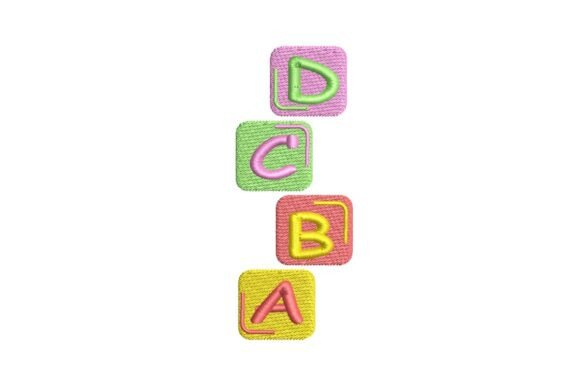
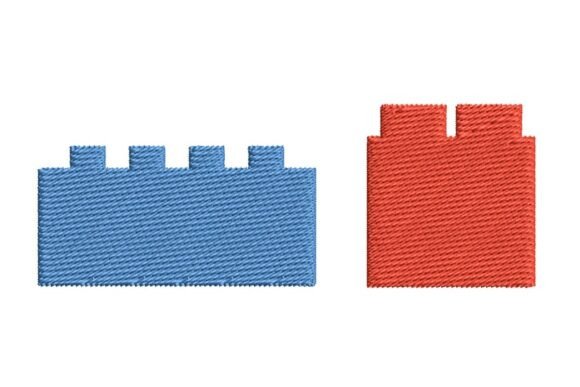
The moment I opened the file for the Building Blocks Embroidery Design, the playful nature of the pattern immediately stood out. Inspired by classic toy bricks, the design feels bold, modern, and undeniably cute. It avoids the overly rustic or farmhouse aesthetic that often dominates the craft market, offering instead a fresh, colorful touch that appeals to both children and adults with a sense of nostalgia. The description promises a "playful and creative touch," and upon reviewing the stitch density, I can confirm it delivers exactly that.
In a crowded marketplace, visual clarity is king. This design works exceptionally well as a focal point because of its geometric simplicity. Unlike intricate floral patterns that might get lost on textured fabric, the distinct shapes of the blocks are easy to understand at a glance. Whether displayed as a large motif on a kitchen towel or a small accent on a cap, the Building Blocks Embroidery Design retains its charm. It screams "fun" without looking cheap, making it a premium addition to any boutique maker's collection.
Product Potential: Where It Shines
When preparing my table display for the craft fair, I evaluated where this embroidery file would have the highest impact. The versatility of the design makes it suitable for a wide range of crafter projects, but some applications clearly outperform others.
- Tote Bags and Market Bags: This is arguably the strongest category for this design. A colorful block pattern on a sturdy canvas tote bag creates an instant statement piece. It photographs beautifully for online listings and looks substantial enough to justify a higher price point.
- Aprons and Tea Towels: For the home decor section, the design adds a whimsical element to kitchen textiles. On a white tea towel, the contrast is sharp, while on a colored apron, it offers a delightful pop of creativity.
- Embroidered Patches and Caps: The compact nature of the brick pattern makes it ideal for iron-on patches or front-center cap designs. These smaller handmade product items often sell quickly as impulse buys for parents shopping for kids' accessories.
- Pillow Covers and Small Pouches: For giftable handmade items, this design adds a custom feel to nursery decor or pencil cases. It transforms generic fabric into a unique small shop product.
For Etsy sellers and digital creators, this design also serves as excellent design assets for creating printable mockups. The clean lines allow customers to visualize the final result easily, increasing conversion rates before they even buy the physical item.
Production Practicality and Batch Making
As a business owner, efficiency is just as important as aesthetics. When evaluating the Building Blocks Embroidery Design for commercial embroidery, I found it to be highly repeatable. The geometric shapes are straightforward to stitch, which means faster production times compared to complex pictorial scenes. This allows for batch production, a necessity when stocking a craft fair booth with multiple units of the same item.
The design functions well as both a small accent and a large focal design. If you are using a smaller hoop size, the blocks remain distinct and do not merge together. However, if you scale it up for a larger project like a pillow cover, the detail holds up remarkably well. This scalability is crucial for maintaining brand consistency across different product types.
Photography for online listings is another major advantage. The bright, primary colors typically associated with toy bricks photograph vividly under standard lighting conditions. This ensures that your finished product looks as vibrant in the digital listing as it does in person, reducing customer disappointment upon delivery.
Critical Considerations and Careful Use Notes
While this design is promising, no machine embroidery design is without its challenges. To ensure a professional finish, there are specific factors you must consider before running production.
First, pay close attention to the stitch density. While the blocks are generally open, dense areas may require careful hooping and stabilizer selection to prevent puckering, especially on thinner fabrics. If you plan to embroider on dark fabric, you will need to choose thread colors that offer sufficient contrast; otherwise, the design may lose its definition and look muddy.
Another critical factor is the fabric texture. While this design works wonderfully on smooth cottons and linens, textured towels or thick denim can sometimes obscure tiny details. If the design includes very small lettering or fine gaps between bricks, these elements might get lost on rough surfaces. Always test the design on scrap fabric first to see how the threads interact with the material weave.
For curved surfaces like caps, the placement is vital. A design that looks flat on a table might distort if the curvature is too aggressive. Ensure your hoop size matches the curve of the cap to maintain the integrity of the brick pattern. Additionally, check the file format compatibility with your machine software to avoid alignment issues during stitching.
Designer's Checklist for Success
To maximize the selling potential of the Building Blocks Embroidery Design, I recommend following these practical steps before hitting the sales floor:
- Test on Scrap Fabric: Never go straight to your final product. Run a test stitch on a scrap piece of the actual fabric you intend to use to check tension and color accuracy.
- Review Thread Colors: Select high-quality threads that complement the block pattern. Contrast is key for visibility.
- Inspect Stitch Density: Zoom in on the digital preview to ensure no areas are too dense, which could cause needle breakage or fabric distortion.
- Use the Right Stabilizer: Match your stabilizer type (cut-away, tear-away, or water-soluble) to the weight of your fabric to ensure the design sits flat.
- Create Real Mockups: Produce at least one sample of each product type you plan to sell. Physical samples build trust with craft fair attendees far better than digital images alone.
- Confirm Commercial Licensing: Before selling finished products, verify the licensing terms of the digital embroidery file to ensure you are legally permitted to use the design for commercial purposes.
The Building Blocks Embroidery Design is a standout choice for anyone looking to add a playful, creative element to their inventory. Its ability to bridge the gap between childlike fun and sophisticated design makes it a versatile tool for craft fair product development. By paying attention to production details and selecting the right materials, you can turn this simple pattern into a high-value item that captures the attention of buyers and boosts your sales.
Whether you are a seasoned embroidery business owner or a creative entrepreneur just starting out, this design offers a solid foundation for building a cohesive brand identity. With the right execution, it has the power to transform a standard tote bag or tea towel into a memorable, handcrafted treasure that customers will want to take home.