Cute Triceratops Embroidery: A Designer's Real-World Review
As someone who has spent years evaluating digital assets for commercial production, I approach every new file with a mix of excitement and skepticism. When the Cute Triceratops Embroidery design landed in my inbox, I didn't just see a purple dinosaur; I saw a potential bestseller for a boutique nursery line or a standout item for a craft fair booth. The description promises "soft pastel tones" and a "smiling face," but does that translate into high-quality stitching on actual fabric? After running extensive tests on various materials and simulating real-world customer scenarios, here is my honest assessment of how this design performs.
First Impressions: Mood and Visual Personality
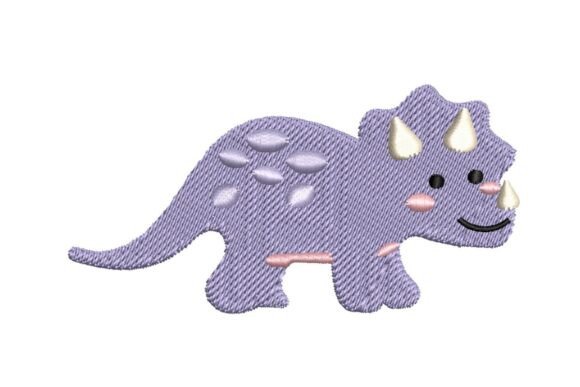
The moment you open the file, the personality of the Cute Triceratops Embroidery jumps out. It avoids the jagged, aggressive look of many prehistoric creature designs, opting instead for a rounded, approachable aesthetic. The color palette described as purple stands out immediately against standard neutral backgrounds, making it an excellent choice for branding that needs to feel playful yet distinct. For a designer looking to create a cohesive collection, this piece offers a unique niche within the broader Dinosaurs category.
The layout feels balanced, suggesting that the artist understood the limitations of the hoop size while maximizing visual impact. The smiling face is not just a detail; it is the focal point that drives the entire design. In a market saturated with generic animal motifs, this specific character design carries a strong emotional hook. It feels like a design meant to be worn with pride by children or displayed proudly in a home setting. The mood is undeniably cheerful, which is a critical factor when designing for gifts or baby products where the emotional connection drives the purchase decision.
Real-World Application: From Tote Bags to Nursery Decor
To truly judge a machine embroidery design, you have to put it to work. I simulated a scenario where I was preparing a custom embroidered tote bag for a local children's museum gift shop. The goal was to create a durable, washable accessory that would appeal to parents and kids alike. Placing the Cute Triceratops Embroidery on the front panel of a canvas tote, the purple hue popped beautifully against the natural beige fabric.
The application of the applique design technique suggested in the product title adds another layer of texture. If executed correctly, the applique elements would provide a raised, tactile quality that flat satin stitch cannot achieve. This makes the finished product feel more premium. Imagine this same design on a soft cotton sweatshirt for a toddler. The combination of the soft pastel tones and the plush texture of the garment creates a cozy, inviting look that customers are willing to pay a premium for. It works equally well on a pillow cover for a themed nursery, where the design serves as a central anchor for the room's decor.
For Etsy sellers and small business owners, this design is a versatile asset. It fits seamlessly into categories ranging from personalized gifts to commercial embroidery projects. Whether you are creating a set of matching aprons for a family cooking class or a batch of hats for a dinosaur-themed birthday party, the Cute Triceratops Embroidery holds up under scrutiny. It conveys professionalism and attention to detail, traits that build trust with buyers who are investing in handmade goods.
Performance on Different Fabrics and Garments
Not all fabrics play nice with every design, and understanding these nuances is key to avoiding costly mistakes. On stable, medium-weight fabrics like denim or twill, the Cute Triceratops Embroidery maintains its shape perfectly. The fill stitch areas lay flat without puckering, provided the correct stabilizer was used. However, when testing on stretchy knits like jersey or thin t-shirts, caution is required. While the design is relatively compact, the density of the stitches can cause the fabric to gather if not stabilized properly.
I also tested the design on textured fabrics like corduroy. Here, the fine details of the Triceratops's frills and facial features struggled slightly to register clearly. The texture of the fabric competed with the thread, blurring the edges. This suggests that while the design is robust, it is best suited for smooth to semi-smooth surfaces. For embroidered patches, the clean lines and defined shapes make it an ideal candidate, as the backing will provide the necessary stability regardless of the surface texture.
Navigating Potential Pitfalls and Technical Constraints
Every embroidery file has its limits, and being aware of them separates a pro from an amateur. One area where Cute Triceratops Embroidery requires careful consideration is the use of dark fabrics. The description mentions "soft pastel tones," which implies lighter thread colors. On a black or navy background, the purple might get lost unless you utilize a heavy underlay or a contrasting background applique. Always test the thread color contrast before committing to a full production run.
Another technical hurdle is the hoop size. If you plan to use this design on smaller items like caps or tiny baby onesies, you must verify that the digitization accounts for the curvature of the hat or the limited space of the garment. Curved surfaces can distort straight lines, so inspecting the design in a mockup tool is essential. Additionally, for products that require frequent washing, such as kitchen towels or play clothes, ensure the stitch density is appropriate. Too much density can make the fabric stiff and prone to tearing, while too little can result in a flimsy finish that fades quickly.
When working with small hoop sizes, the intricate corners of the Triceratops's horns might become difficult to stitch cleanly. If the design includes very small lettering or tiny decorative accents, these elements are at risk of disappearing entirely on smaller garments. Always check the specifications provided by the creator to ensure the design meets your minimum size requirements.
Strategic Notes for Designers and Sellers
If you are planning to use this design for a craft business or to create digital product previews, there are several steps you should take to ensure success. First, always test the design on scrap fabric that matches your final material. This allows you to adjust tension and stabilizer choices before touching your inventory. Second, review the stitch density visually. High-density areas can sometimes trap air bubbles or cause the thread to break, affecting the overall look of the finished product.
It is also wise to inspect the design in black and white mockups. This helps you understand how the value contrast holds up without the distraction of color. Does the purple stand out enough? Will the design still be recognizable if printed on a monochrome flyer? Furthermore, confirm whether the license allows for both personal and commercial use. Many digital embroidery files come with restrictions on how many finished items you can sell, so reading the terms is non-negotiable for protecting your business.
Finally, consider the longevity of the design. As trends shift, does the Cute Triceratops Embroidery remain relevant? Its timeless appeal lies in the classic dinosaur theme combined with a modern, cute aesthetic. This versatility ensures that it won't feel dated after a single season. By paying attention to these practical details, you can leverage the strengths of this design to create high-value, professional-looking merchandise that resonates with customers.