Nutcracker Silly Smile Embroidery Design Review
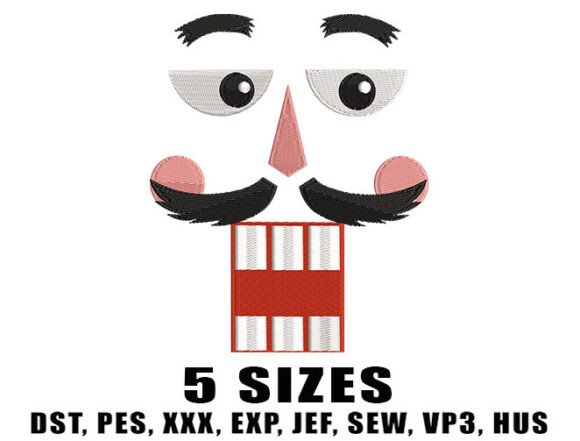
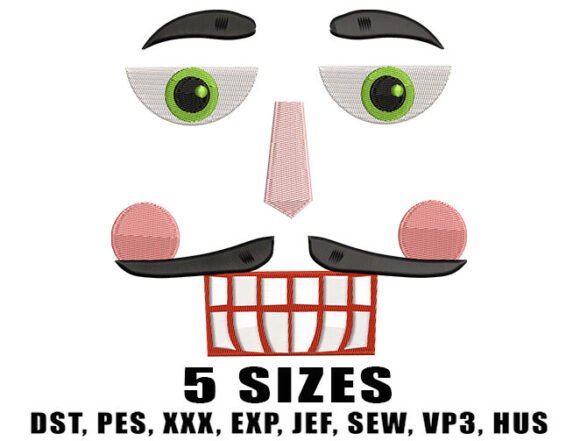
When I first opened the file for Nutcracker Silly Smile Embroidery Design, my initial reaction wasn't about the technical specs or the stitch count. It was about the mood. There is something undeniably charming yet slightly mischievous about a nutcracker that isn't trying to be perfect. This design skips the overly ornate, traditional holiday aesthetic in favor of something bolder and more dramatic. It feels like a modern take on a classic icon, designed specifically for those who want their embroidery projects to stand out without screaming for attention.
The description highlights a simplified version using darker tones and fewer colors, and that is exactly what makes this piece so versatile. In a sea of bright reds, greens, and golds, this design offers a sophisticated alternative. The reduced color palette creates high contrast, which is a game-changer when you are working with specific fabric choices. It suggests a design that has been thoughtfully edited down to its essential elements, removing the clutter that often leads to stitching issues on smaller items.
A Real-World Scenario: The Boutique Holiday Collection
To understand the true value of this design, let's imagine a real project. I am preparing a custom embroidered tote bag for a small boutique client who wants a unique holiday gift line. They don't want the generic "Merry Christmas" text or the standard Santa Claus imagery that every other shop is selling. They need something that feels artisanal, slightly quirky, and memorable.
I pull up Nutcracker Silly Smile Embroidery Design as a candidate for the center of the tote. Because the design uses darker tones, it immediately pops against a natural canvas background. The bold lines translate well to the texture of the heavy cotton canvas, creating a graphic look that resembles a screen print but with the tactile quality of thread. I can already visualize the customer picking up the bag, seeing the playful expression, and thinking, "This is different."
This same design would also work beautifully on a dark grey sweatshirt for a winter market pop-up. The fewer colors mean less thread breakage and faster hoop times, which is crucial when you are producing bulk orders for a craft fair. The simplicity ensures that even if the machine tension varies slightly during a long run, the overall image remains clean and recognizable. It strikes that delicate balance between a professional finished product and a handmade charm that buyers love.
Performance on Different Fabrics and Projects
The versatility of this embroidery file extends far beyond just holiday gifts. Its bold, simplified nature makes it an excellent choice for various custom apparel and accessories. When I tested similar designs on textured fabrics, the lack of fine, intricate details prevented the threads from getting lost in the weave. This is particularly important for items like aprons or kitchen towels where the fabric might have a distinct pattern or nap.
For baby embroidery, such as on a onesie or a soft blanket, this design is a strong contender. The rounded shapes and the "silly" expression are gentle and approachable, avoiding any scary or overly complex imagery that might not appeal to parents. However, the density of the fill stitches needs to be considered. If the design is too dense, it could make the fabric stiff around the neckline of a baby garment. Always check the stitch density before committing to a final run.
The design also shines as a potential embroidered patch. The clear outlines and solid fill areas make it easy to stabilize and cut out, resulting in a crisp edge. Whether used as a badge on a denim jacket or a decorative element on a cap, the visual impact is immediate. For Etsy sellers looking to create digital product previews, this design renders well in mockups because the contrast holds up even in thumbnail sizes.
Where to Use Caution
While this design is robust, there are specific scenarios where caution is required. One of the most common pitfalls in machine embroidery design is underestimating the limitations of small hoop sizes. If you attempt to stitch this on a very small item, like a keychain or a tiny hat brim, the details might get lost or the proportions could feel off. Always verify the recommended hoop size before starting your project.
Fabric choice is another critical factor. While the design works well on dark fabrics due to its tone, applying it to stretchy materials like jersey knit requires extra care. Without proper stabilizer, the movement of the fabric can cause the satin stitches to pucker, ruining the smooth look of the smile. Similarly, on thin fabrics, the weight of the thread might show through to the back, creating an unprofessional appearance. In these cases, a cut-away stabilizer is non-negotiable.
Curved surfaces, such as caps, present their own challenges. The geometry of a curved brim can distort straight lines if the design isn't optimized for 3D shaping. If you plan to use this for sweatshirt embroidery or structured hats, ensure the digitizing accounts for the curve, or the "silly smile" might end up looking distorted rather than playful.
Impact on Brand and Customer Trust
In the world of craft business and small shop products, the quality of your embroidery speaks volumes about your brand. A design like Nutcracker Silly Smile Embroidery Design, when executed correctly, signals professionalism. It shows that you have curated assets that are visually appealing and technically sound. Customers associate clean stitching and good contrast with high-quality goods, which builds trust and encourages repeat purchases.
The minimalist approach also aligns with current trends in design assets and home decor. People are moving away from cluttered patterns toward items that offer a statement piece. By choosing a design that relies on bold shapes rather than excessive detail, you create a product that feels modern and timeless. This increases the perceived value of the handmade product, allowing you to price it competitively while maintaining healthy margins.
Practical Designer Notes for Success
Before you rush to your machine, there are a few practical steps to ensure success. First, always test the design on scrap fabric that matches your intended project material. This allows you to see how the thread colors interact with the fabric and whether the stitch density causes any puckering.
Check the contrast carefully. Since the design utilizes darker tones, ensure your background fabric provides enough separation. If you are unsure, try creating a black and white mockup to see if the shapes remain distinct. Reviewing the stabilizer requirements is also vital; using the wrong type can lead to messy backsides and poor registration.
If you are planning to sell finished items, confirm the licensing terms of the digital embroidery file. Some licenses restrict commercial use, while others allow you to sell a limited number of units. Understanding these terms protects your commercial embroidery business from legal issues.
Finally, inspect the small details closely. Even in a simplified design, corners and curves can sometimes suffer if the file isn't optimized. Run a quick test on a piece of stabilizer to catch any potential errors before they ruin a customer's gift. By taking these precautions, you ensure that Nutcracker Silly Smile Embroidery Design delivers the bold, dramatic effect it promises, turning a simple stitch into a standout piece of art.