Western Blue Embroidery Aztec Knitted Cu
Stepping into a craft fair booth, I am constantly scanning for designs that stop a passerby in their tracks. As an experienced embroidery designer who has spent years turning digital files into tangible handmade products, I know that the difference between a "nice" item and a best-seller often comes down to the specific visual impact of the design itself. Today, I am reviewing the Western Blue Embroidery Aztec Knitted Cu with a critical eye, imagining how it would perform on my table next weekend among tote bags, aprons, and kitchen decor.
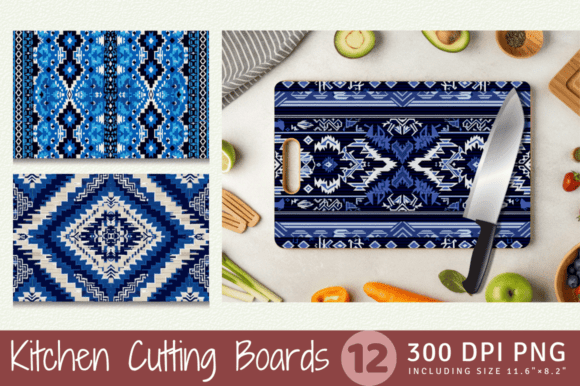
The title alone suggests a unique fusion of styles. When I first encountered this piece of Illustrations and Graphics, I immediately thought about the texture it promises. The words "Aztec Knitted" combined with "Western Blue" evoke a feeling that is both rustic and modern. It feels like a design that could anchor a farmhouse-style collection or add a punchy accent to a boutique maker's lineup. My goal here is to determine if this machine embroidery design holds up under the bright lights of a vendor hall and if it translates well from a screen to actual fabric.
First Impressions: Visual Appeal and Market Fit
In the world of Etsy sellers and small shop product creators, the first three seconds are everything. Does the design look expensive? Is it clear? The Western Blue Embroidery Aztec Knitted Cu appears to lean heavily into a premium, decorative aesthetic. The concept of an Aztec pattern rendered with a knitted texture is intriguing because it adds depth without requiring complex layering of stitches that might bog down production time.
For a craft fair environment, this design feels bold enough to be seen from across the aisle but detailed enough to invite closer inspection. If the execution captures the "knitted" feel effectively, it will stand out against the sea of standard floral or geometric patterns. It strikes a balance between being a focal point and remaining versatile enough to fit various themes, from southwestern vibes to contemporary home decor. This versatility is crucial for any commercial embroidery business looking to maximize their inventory potential.
Product Applications: Where This Design Shines
When I visualize this embroidery file on different surfaces, several categories jump out as immediate winners. The description mentions it is a cutting board sublimation design, but for an embroiderer, the true value lies in its adaptability to textile goods.
- Tote Bag Design: A large tote bag is the perfect canvas for the Western Blue Embroidery Aztec Knitted Cu. The structure of the bag provides a flat, stable surface where the intricate details of the Aztec pattern can be appreciated. It works beautifully as a central chest logo or a large vertical panel on the side of the bag.
- Apron Embroidery: For cooking lovers, this design is a natural fit. Placed on the bib of a linen apron, the blue tones contrast elegantly with white or cream fabrics. It elevates a simple utility item into a giftable piece of art.
- Tea Towel Embroidery: Kitchen towels are high-volume sellers at craft fairs. The geometric nature of the design allows it to repeat nicely along the hem or sit as a single, striking square in the center. It appeals to the homeowner who wants a touch of style in their kitchen.
- Embroidered Patch: The distinct shape and color palette make this ideal for creating iron-on patches. These are fantastic upsell items that customers can attach to denim jackets or backpacks, extending the reach of the brand.
- Pillow Covers and Market Bags: Whether used as a decorative element on a throw pillow or a statement print on a market bag, the design offers strong visual appeal that drives perceived value.
Photography and Online Listings
As a digital seller and physical vendor, I cannot stress enough how important a good printable mockup is. The Western Blue Embroidery Aztec Knitted Cu needs to be photographed in a way that highlights the texture. Because the design implies a "knitted" look, using lighting that casts soft shadows will help sell the illusion of depth. On an Etsy listing, this design should shine when paired with lifestyle photos showing the finished product in a cozy, rustic setting.
Production Reality: What to Watch Out For
While the concept is exciting, practical production requires careful planning. Not every design asset translates perfectly to every fabric type. Here are the critical factors I evaluate before committing to a batch run.
Stitch Density and Detail: If the design includes dense stitch areas to mimic the knitted texture, I must ensure the fabric can support it without puckering. Thick fabrics like heavy canvas are great for stability, but thin linens might require additional stabilizer layers. Tiny details within the Aztec pattern could get lost if the thread count is too low or if the hoop size is too small for the area being embroidered.
Fabric Texture and Color: The success of this finished product depends heavily on thread contrast. The "Western Blue" needs to pop against the background fabric. On dark fabrics, the blue might appear muddy unless a lighter shade or a specific underlay technique is used. Conversely, on light fabrics, the blue will likely look crisp and vibrant. Always test on scrap fabric first to confirm the color interaction.
Small Lettering and Curved Surfaces: If the design incorporates text, I advise caution. Small lettering often becomes illegible on curved surfaces like caps or rounded pouches. For these items, it is safer to treat the design as a graphic icon rather than relying on fine typography. Similarly, on textured towels, the needle may struggle to penetrate deep loops, so a cut-away stabilizer is essential to maintain the integrity of the stitch density.
Strategic Selling and Brand Consistency
From a business perspective, the Western Blue Embroidery Aztec Knitted Cu offers excellent opportunities for brand consistency. By using this specific design across a range of items—totes, aprons, and patches—you create a cohesive look that signals professionalism to your customers. At a craft fair, a booth that looks uniform attracts more attention than one with scattered, unrelated designs.
This design also lends itself well to batch production. Once the digitizing is perfected, you can produce multiple units efficiently, which is vital for meeting demand during peak seasons. However, before launching a full line, I strongly recommend creating at least one real mockup. Digital previews are helpful, but seeing the actual thread tension and fabric drape is the only way to guarantee quality.
Essential Designer Checklist
- Test on Scrap Fabric: Never skip this step. Verify that the design does not distort on your intended material.
- Check Thread Contrast: Ensure the blue threads provide enough visibility against the base fabric.
- Review Spacing and Hoop Size: Confirm that the design fits within your machine's hoop limits and leaves adequate margin for framing.
- Inspect Stitch Density: High density can cause puckering; adjust the digitizing if necessary for smoother results.
- Use the Right Stabilizer: Match the stabilizer weight to the fabric weight to prevent shifting and distortion.
- Confirm Commercial Licensing: Before selling any craft fair product featuring this design, verify that you have the proper commercial license to use the digital embroidery file.
Ultimately, the Western Blue Embroidery Aztec Knitted Cu has the potential to be a standout addition to any handmade collection. Its blend of western charm and geometric precision makes it a versatile tool for creative entrepreneurs. With the right preparation and attention to detail, this design can transform simple materials into premium goods that customers love to buy and display.