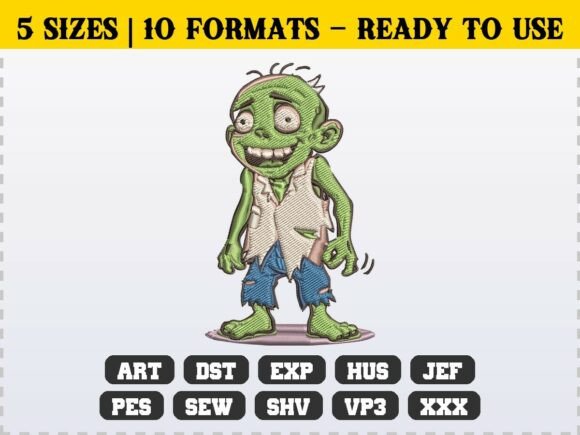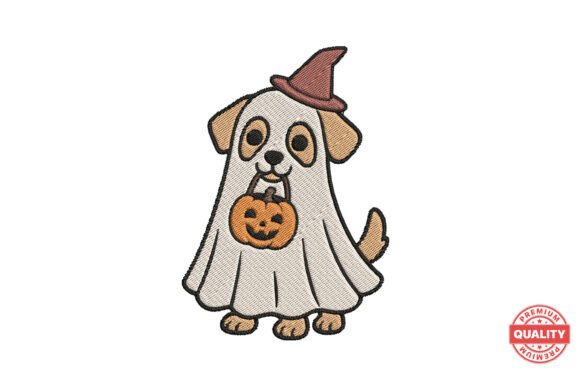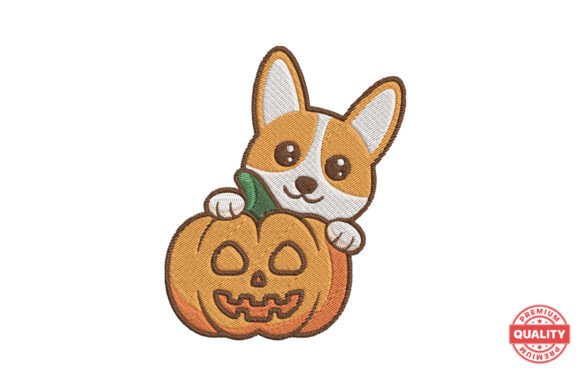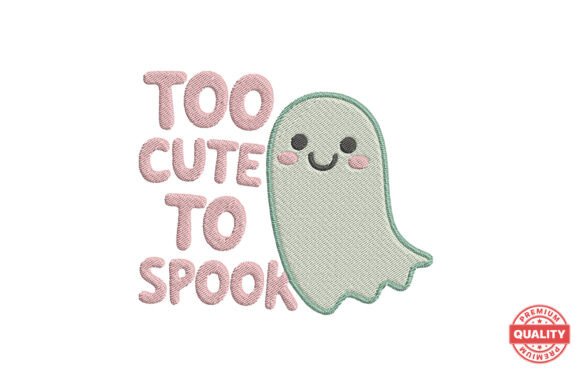
Wickedly Cute Pumpkin Embroidery
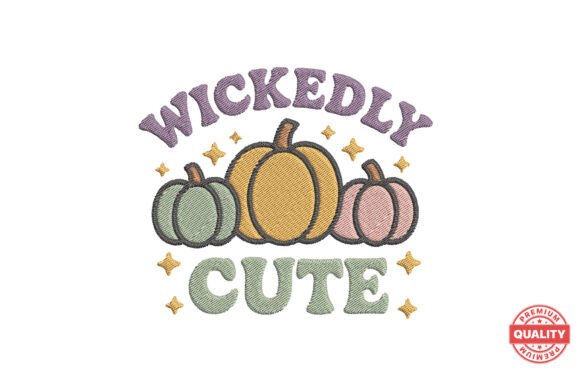
As an experienced embroidery designer who has reviewed thousands of digital files for commercial use, I approach every new design asset with a critical eye. The goal is never just to create something pretty; it is to find a machine embroidery design that withstands the rigors of small business production while elevating brand identity. Today, I am reviewing the Wickedly Cute Pumpkin Embroidery. At first glance, the title suggests a playful, seasonal aesthetic perfect for Halloween, yet the product description presents a fascinating contradiction: "Add a touch of sunshine to your projects with this delightful trio of white daisies." This disconnect between the title and the visual description creates a unique challenge for any small business merch creator.
Before we dive into the technical execution, we must address the brand narrative. If you are a bakery, florist, or boutique selling handmade products, consistency is key. A file titled "Wickedly Cute Pumpkin" but depicting "white daisies" could confuse customers if not managed correctly on packaging or marketing materials. However, if you are looking for a versatile embroidery file that can be repurposed beyond a single holiday season, this contrast might actually be a feature. It allows you to bridge the gap between a spooky autumn theme and a cheerful, year-round floral motif, provided the final stitched result matches the description rather than the title.
Real-World Application for Branded Merchandise
The true test of any digital embroidery file is how it translates from a screen to a physical product. For a local café or a creative studio, this design could serve as an excellent accent piece. Imagine a staff apron featuring a subtle placement of the daisy trio near the pocket. The soft white petals against earthy green leaves would offer a clean, professional look that aligns well with a rustic or organic brand identity. Unlike heavy, dense logos, this type of delicate design adds a layer of warmth and personality without overwhelming the garment.
For tote bag design projects, particularly those sold by Etsy sellers or craft businesses, this pattern offers high perceived value. A trio of daisies embroidered on a canvas tote suggests a thoughtful, curated shopping experience. It transforms a generic utility item into a branded asset that customers want to carry. Similarly, for cap embroidery, the compact nature of a three-bloom cluster makes it ideal for the front panel or side of a hat. It provides a focal point that draws the eye without competing with other text or larger logos often found on headwear.
In the realm of embroidered patches, this design shines when used as a secondary detail. A patch featuring these flowers could be sewn onto a denim jacket, a backpack, or even a pet bandana for a pet brand. The "wickedly cute" aspect mentioned in the title implies a slight edge, which works wonderfully for brands targeting a younger, trend-conscious demographic. Whether it is used as a chest logo accent on a work shirt or a decorative element on a product label, the design promises a finished product that feels handmade and premium.
Strategic Placement and Design Limitations
While the potential is high, a professional review must also highlight where caution is required. When evaluating stitch density and fine details, one must consider the limitations of smaller applications. If you intend to use this as a tiny patch for a uniform badge or a very small cap logo, the intricate outlines of the petals may blur or merge during the stitching process. In such cases, the "soft white petals" might lose definition, resulting in a muddy appearance rather than the crisp image seen in the preview.
Fabric texture plays a crucial role in the success of this project. On smooth, tightly woven fabrics like twill or polyester blends, the design will likely hold its shape beautifully. However, on highly textured fabrics like heavy cotton canvas or fleece, the thread tension might struggle, causing the thread colors to sit unevenly. Furthermore, if you are planning to embroider this on dark uniforms, the white petals require a significant amount of underlay and top stitching to ensure opacity. Without proper technique, the white may appear translucent against dark backgrounds, diminishing the "cheerful yellow center" pop.
Another critical consideration is the frequency of washing. For items like aprons or work shirts that undergo industrial laundering, detailed designs with thin lines are prone to fraying over time. If the finished product needs to last through hundreds of wash cycles, you must verify that the file includes sufficient stitch coverage to protect the edges. Additionally, curved surfaces like baseball caps require careful hoop stabilization to prevent puckering. If the design is too wide for the specific curvature of the cap, the central blooms may distort, ruining the symmetry of the trio.
Impact on Brand Identity and Customer Trust
Every stitch contributes to the story a brand tells. Using a design like Wickedly Cute Pumpkin Embroidery signals a commitment to quality and attention to detail. When customers see a consistent, well-executed brand identity across their merchandise, it builds trust. A blurry or poorly executed embroidery job can make a handmade product feel cheap, whereas a sharp, well-placed design elevates the perceived value of the item.
This design specifically fosters a sense of connection. The combination of "sunshine," "daisies," and "earthy green" evokes feelings of nature and positivity. For a florist or a garden shop, this alignment between the visual design and the business niche reinforces customer engagement. It shows that the brand cares about the aesthetics of its offerings. However, if the title does not match the visual output, it can create cognitive dissonance. To maintain professionalism, ensure your marketing materials clearly describe the actual floral content, using the "Halloween" tag only if the design is part of a broader seasonal collection that includes pumpkins elsewhere.
Essential Technical Notes for Production
Before committing to a full production run, I strongly advise following a rigorous testing protocol. First, always test the design in black and white. This helps visualize the contrast and density without the distraction of color. Check if the design remains legible when reduced to a small size, such as a 2-inch patch. Review the thread colors to ensure the yellow centers stand out against the white petals and green leaves.
Inspect the spacing carefully. Are there enough gaps between the stitches to allow the fabric to breathe, or is the design too dense? Confirm the recommended hoop size and ensure your machine setup accommodates the dimensions of the design. Test on the actual fabric you intend to use, not just a scrap, to account for how the material stretches or compresses. Use the proper stabilizer—a cut-away stabilizer is usually best for maintaining the shape of delicate floral designs on stretchy knits.
Create a printable mockup for client approval before stitching expensive garments. Compare this design beside other design assets in your library to ensure visual consistency. Finally, and most importantly, confirm the commercial licensing terms. Ensure you have the right to sell products featuring this commercial embroidery file. Do not invent specifications like stitch counts or file formats based on assumptions; verify these details with the vendor to avoid production delays.
In conclusion, Wickedly Cute Pumpkin Embroidery offers a charming opportunity for small business owners to enhance their product lines. By understanding its strengths and limitations, you can leverage this embroidery design to create memorable, high-quality branded items that resonate with your audience. Whether it ends up on a tote bag, an apron, or a custom patch, the key lies in meticulous preparation and a clear vision for how it fits your brand's narrative.